




Spooky Monster
Cartoons · 34 pages
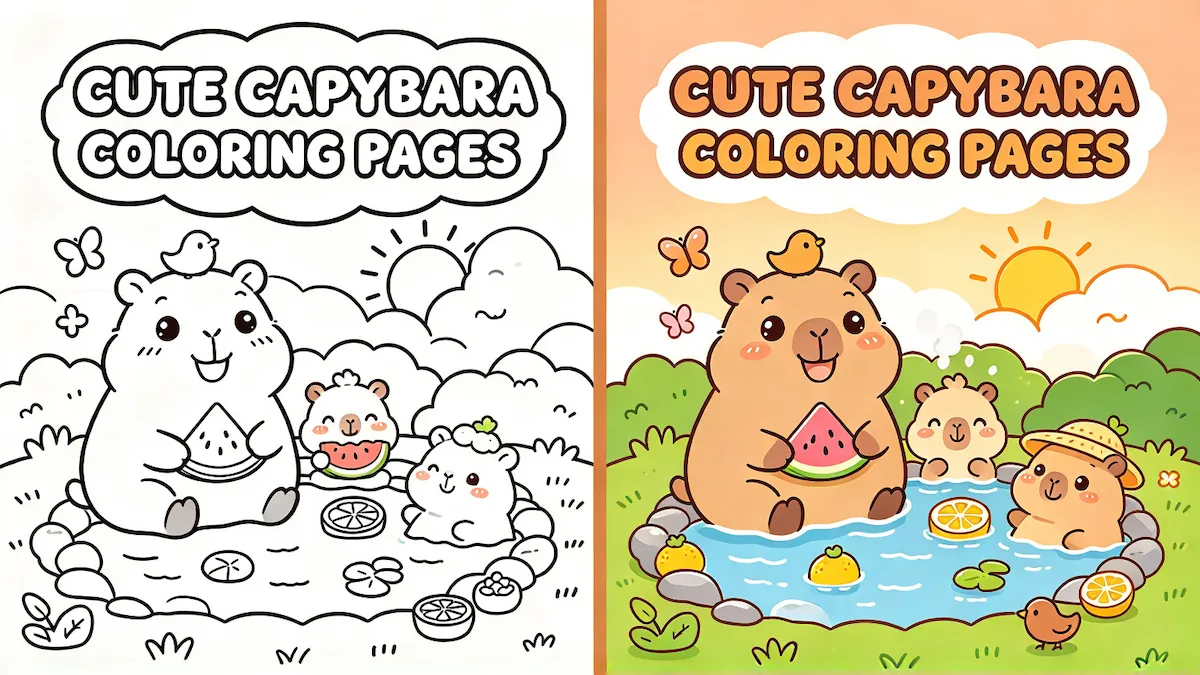
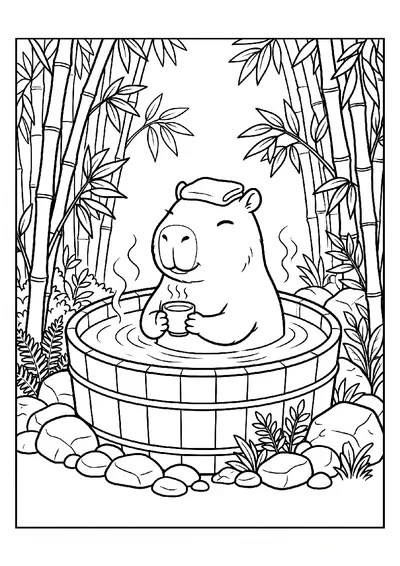
Enjoy free printable cute capybara coloring pages featuring adorable baby capybaras, playful animals, cozy scenes and charming animal friends. Download your favorite designs and bring them to life with color.
Capybaras have a way of making even the simplest moments look adorable. Whether they are relaxing beside a pond, enjoying a favorite snack or sitting quietly with their animal friends, these gentle animals make lovely subjects for coloring. Their rounded bodies, little ears and friendly expressions give each picture its own character.
This collection of cute capybara coloring pages brings together a variety of printable designs for children, families and anyone who enjoys coloring animals. You will find simple illustrations with larger spaces for younger artists, along with more detailed scenes for those who enjoy adding patterns, backgrounds and little finishing touches. Choose a favorite, print it out and give your capybara a look of its own.
Choose a page to preview it, color it online, or download the printable.
Two downloads are free without an account. Sign up for unlimited.
Capybaras are the largest living rodents in the world and are native to South America. They are closely associated with rivers, ponds, wetlands and other areas where water is easy to find. Their calm appearance, rounded shape and social behavior have made them popular subjects in illustrations, toys and children's activities.
One reason they work so well in coloring pictures is their simple appearance. A capybara has a broad body, short legs, a rounded nose and small ears. These recognizable features leave plenty of room for different artistic interpretations, from realistic brown fur to imaginative pastel colors.
Capybara illustrations can be simple or full of little details. Exploring different scenes gives everyone a chance to find a picture that matches their interests and coloring experience.
Baby capybaras are especially appealing because of their small bodies and gentle expressions. These illustrations often feature young animals sitting together, following their mothers or exploring their surroundings. Soft browns, warm beige and light orange shades are lovely choices for these pictures.
Capybaras are often illustrated enjoying treats such as oranges, strawberries and watermelons. These cheerful scenes offer an opportunity to experiment with brighter colors. Try using different shades of green for leaves and contrasting colors for the fruit to make the picture stand out.
Kawaii inspired capybara pictures feature rounded shapes, simplified details and sweet facial expressions. Some designs include little hearts, flowers, stars and other decorative elements. They are a fun choice for anyone who enjoys cute illustrations and playful coloring styles.
Capybaras are social animals and are sometimes seen sharing their surroundings with birds, monkeys and other wildlife. Coloring illustrations featuring several animals together can turn a simple picture into a little nature scene. Use different shades for each animal so every character remains easy to recognize.
Water is an important part of a capybara's natural environment. Pictures showing them swimming, sitting near a pond or resting among water plants offer plenty of background details to explore. Blue, turquoise and green shades can help create a fresh outdoor setting.
Not every coloring picture needs the same amount of time or attention. The best choice depends on the age of the artist, the size of the spaces and how much detail appears in the illustration.
Pages with large shapes, clear outlines and uncomplicated backgrounds are a good starting point for young children. They can concentrate on choosing colors and staying within the lines without having to manage too many small details. Crayons and washable markers are practical options.
Pictures with additional objects, plants, fruit and animal friends offer a little more variety. Children who are already comfortable with basic coloring can experiment with different shades and learn how to make separate parts of an illustration stand out.
More elaborate capybara scenes may include textured fur, decorative backgrounds, plants and several small objects. Colored pencils are particularly useful for these illustrations because they allow careful shading and gradual changes in color.
Real capybaras generally have brown fur, with shades ranging from golden brown to darker reddish brown. Their natural appearance makes earthy colors a good starting point, but there is no reason to limit your creativity when coloring a cartoon illustration.
For a balanced picture, choose two or three main colors for the animal and a few additional shades for the surroundings. Small details such as flowers, fruit and accessories can introduce brighter colors without making the whole page look too busy.
A little planning can make an ordinary coloring session more enjoyable. Before starting, look at the entire illustration and decide which parts should attract the most attention.
For example, a capybara holding a strawberry can have natural brown fur, a bright red fruit and a green leaf. If the picture includes a pond, different blue shades can give the water more depth. You can also leave small areas white to represent light reflecting from the water or sunlight on the animal's fur.
Children can also invent their own scenes by adding a colorful background, drawing extra flowers or creating a small garden around their capybara. There is no single correct way to finish a coloring page.
Coloring animal pictures provides children with an enjoyable opportunity to practice everyday creative skills. Choosing colors, holding pencils and working on small sections can help develop hand control and coordination.
It can also encourage curiosity about wildlife. While coloring a capybara, children can learn that these animals live in South America, spend plenty of time near water and often live in groups. A simple picture can become a starting point for a conversation about animals and their natural habitats.
Choose a design from the collection and open its preview. Select the download option beneath the picture to access the printable file. You can print an individual illustration or use the PDF option when you want several pages together.
For clear results, use standard A4 paper and select the actual size or 100 percent scale option in your printer settings. Ordinary printer paper works well with crayons and colored pencils. Slightly thicker paper is a better choice when using markers.
Check the print preview before printing to make sure the entire illustration fits on the page. This helps preserve the outlines and leaves enough room around the artwork.
If you enjoy these adorable capybaras, there are plenty of other animals to discover in our coloring collection. Explore cute animal coloring pages for more friendly illustrations, or visit our cat coloring pages and dog coloring pages for more familiar cute animal friends.
You can also explore our wildlife coloring pages for pictures inspired by animals and their natural surroundings.
Whether you prefer a tiny baby capybara, a fruit loving character or a detailed picture beside a pond, there is a design for every kind of coloring session. Choose your favorite illustration, gather your coloring supplies and enjoy creating something of your own.
These printable pages are available for personal, home and classroom activities. Please do not resell the artwork or redistribute the original files as your own.
A capybara is the largest living rodent in the world. It is native to South America and usually lives near rivers, lakes and wetlands.
Their rounded appearance, gentle expressions and social behavior have made them popular subjects in illustrations, toys and children's activities.
Yes. You can download and print the available coloring pages for personal, home and classroom activities.
Simple illustrations with large shapes and clear outlines can be suitable for young children with adult supervision.
Natural brown, tan, beige and reddish brown are good choices. You can also experiment with pastel shades for cartoon and kawaii designs.
Capybaras mainly eat grasses and aquatic plants. They are herbivores and spend much of their time searching for vegetation.
They are semi aquatic animals. They spend time swimming and resting in water, which also helps them stay cool and avoid predators.
Standard A4 printer paper works well with crayons and colored pencils. Thicker paper is preferable when using markers.
Yes. You can print copies for classroom activities, home learning and group coloring sessions. Please do not sell the original artwork or redistribute the files as your own.
Open the picture you like and select the download option beneath its preview. Follow the available PDF or image download option.
Cartoons · 34 pages